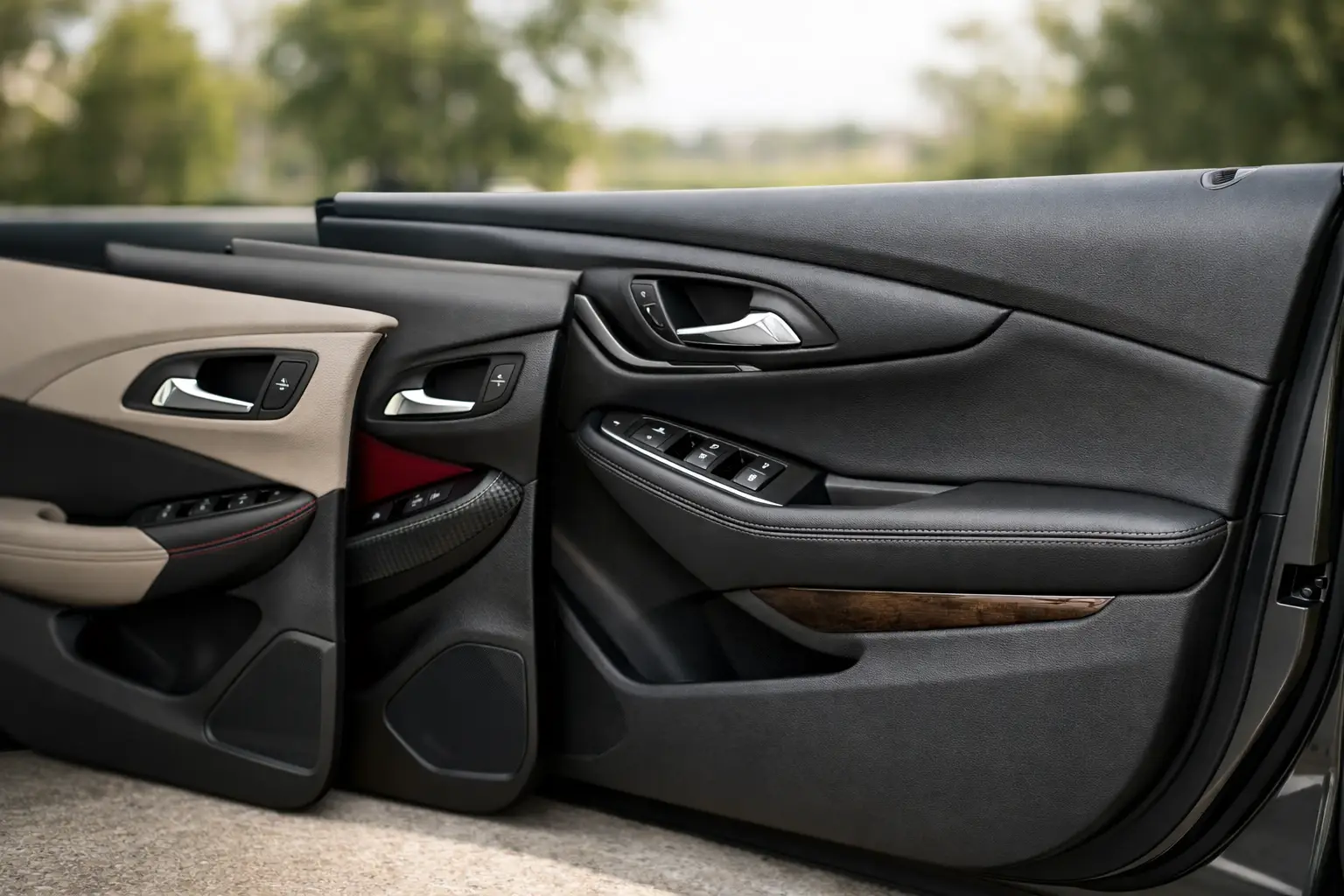
A tired door panel can make an otherwise solid Malibu feel unfinished the second you open the door. If you are sorting out the best Malibu door panel options for a 1964-72 car, the right choice comes down to more than color and pattern. Fit, backing material, factory-correct details, and how you plan to use the car all matter just as much.
For many restorers, the door panel is one of those interior parts that gets judged up close. People touch it, lean on it, and notice right away when the grain looks wrong, the chrome trim is off, or the holes do not line up with the hardware. That is why it pays to choose a panel that matches your build rather than just buying the first replacement set you find.
Best Malibu door panel options by restoration goal
The best option for your car depends on what kind of Malibu you are building. A factory-style driver restoration has different needs than a judged show car, and both are different from a custom street build. Getting clear on that first saves time and money.
If your goal is a near-original restoration, factory-style reproduction panels are usually the smartest choice. These are designed to match original colors, embossed patterns, trim layout, and overall appearance as closely as possible. For a 1964-72 Malibu, that matters because interior styling changed across the years, and even small differences in pleat design or panel shape stand out quickly.
If you are refreshing a dependable cruiser, a quality reproduction panel still makes sense, but perfect concours-level detail may not need to be the priority. In that case, consistent fit, durable materials, and a clean finish are often more important than chasing every last original nuance.
If you are building something custom, you have more room to move. Upholstered panels, upgraded materials, or modified patterns can work well, especially if the rest of the interior is already moving away from stock. The trade-off is obvious – the more custom you go, the harder it can be to keep the rest of the cabin visually balanced.
Factory-style reproduction panels
For most owners, factory-style reproduction panels are still the best Malibu door panel options because they strike the right balance between authenticity, availability, and cost. A good reproduction panel restores the look of the interior without forcing you into the hunt for rare original parts that may still need extensive repair.
The key is quality of construction. Look closely at the backing board, vinyl grain, heat-pressed or stitched details, and any attached trim. Cheap panels may look acceptable in photos, then disappoint once installed because they bow, the edges are rough, or the mounting points are not precise.
A strong reproduction panel should sit cleanly against the door shell, accept the correct hardware, and work with stock handles, armrests, and trim pieces. That sounds basic, but on classic GM A-body cars, small fitment issues can snowball fast. A panel that is slightly off may force the armrest to sit crooked or leave gaps around the window crank and handle escutcheons.
If originality matters, year-specific design is a big deal. A 1966 Malibu interior does not carry the same trim language as a 1970 or 1972 model. Buying a panel that is merely described as fitting a wide range of years without attention to exact style details can leave you with an interior that feels close, but not correct.
Pre-assembled versus panel skins
One of the biggest buying decisions is whether to choose complete replacement door panels or go with skins and rebuild original cores. Complete panels are the easier path for most restorers. They reduce labor, eliminate guesswork, and let you replace damaged or warped originals in one step.
Panel skins can be useful when original structures are still solid or when you are trying to preserve hard-to-find factory components. In some restorations, especially higher-end original builds, reusing correct cores can help maintain an authentic feel. But this route takes more labor and usually demands more patience. If the old board is weak, swollen, or cracked, recovering it may not be worth the trouble.
For a driver or straightforward restoration, complete panels are usually the better value. For a detail-focused build where preserving original pieces matters, skins may be worth considering. It depends on the condition of what you already have and how exacting the finished car needs to be.
Original used panels versus reproduction
Some owners immediately start looking for original GM door panels, and that makes sense on certain cars. An original panel can offer factory materials, exact texture, and details that some reproduction parts do not fully capture. If you are restoring a rare trim combination or chasing originality at a high level, used originals may still have appeal.
The problem is condition. Door panels take abuse for decades. Sun exposure fades color. Moisture damages the backing. Armrest areas crack. Mounting holes tear. Even a hard-to-find original panel can become a costly project once repairs begin.
That is why reproduction panels often win in real-world restorations. They offer cleaner presentation, better availability, and less rework. Unless your car calls for a very specific original-only detail, a well-made reproduction set is often the more practical choice.
Custom Malibu door panel options
Custom interiors can look right at home in a Malibu if the changes are deliberate. The best custom door panel options usually focus on upgraded materials, revised stitching or pleat patterns, and coordinated colors that match the seats, dash, and rear side panels.
What separates a tasteful custom panel from one that feels out of place is restraint. A classic A-body interior has strong original lines. If you add modern textures, oversized speakers, or aggressive patterns without tying them into the rest of the build, the doors can become the odd part of the cabin.
For street machines and pro-touring cars, custom panels can make a lot of sense. They give you flexibility for audio upgrades, improved materials, and a more personalized look. Just keep in mind that custom work can complicate future repairs or replacements. If one panel gets damaged later, matching it exactly may be harder than replacing a stock-style reproduction.
What to check before you buy
The best Malibu door panel options are always the ones matched to the exact body style, year, and interior configuration of the car. Hardtop, sedan, convertible, and wagon applications can differ. So can armrest design, trim placement, and hardware needs.
It is also smart to think beyond the panel itself. A fresh door panel installed next to worn armrests, scratched handles, tired window cranks, and brittle weatherstripping can make the rest of the door look older than it is. Many restorers get better results by replacing or refurbishing the surrounding components at the same time.
Color match matters too. Even when the listed color is correct, interiors that have aged for decades may not perfectly match a fresh replacement panel. If the rest of the interior is sun-faded, one new part can stand out. In some cases, replacing panels in pairs or coordinating a larger interior refresh gives a much more consistent final look.
How to choose the best Malibu door panel options for your car
Start with the end use of the vehicle. If it is a show-oriented restoration, lean toward the most factory-correct reproduction or the best salvageable original pieces you can find. If it is a weekend cruiser, prioritize clean fit, durable construction, and a finish that complements the rest of the interior.
Then be honest about installation time and budget. A less expensive option is not always the better value if it requires reworking holes, trimming edges, or rebuilding weak original backing boards. Good parts usually save time in the garage and frustration during assembly.
This is also where buying from a true A-body specialist helps. With a platform as specific as the 1964-72 Malibu, expert support can keep you from ordering a panel that technically fits the year range but misses the exact trim level or body style details your car needs. That kind of guidance is part of what has kept Classic Parts trusted by restorers for decades.
A door panel should do more than fill the space between the handles and the glass. It should make the interior feel finished, correct, and worthy of the car it is attached to. When you choose with that standard in mind, the right option usually becomes a lot easier to spot.