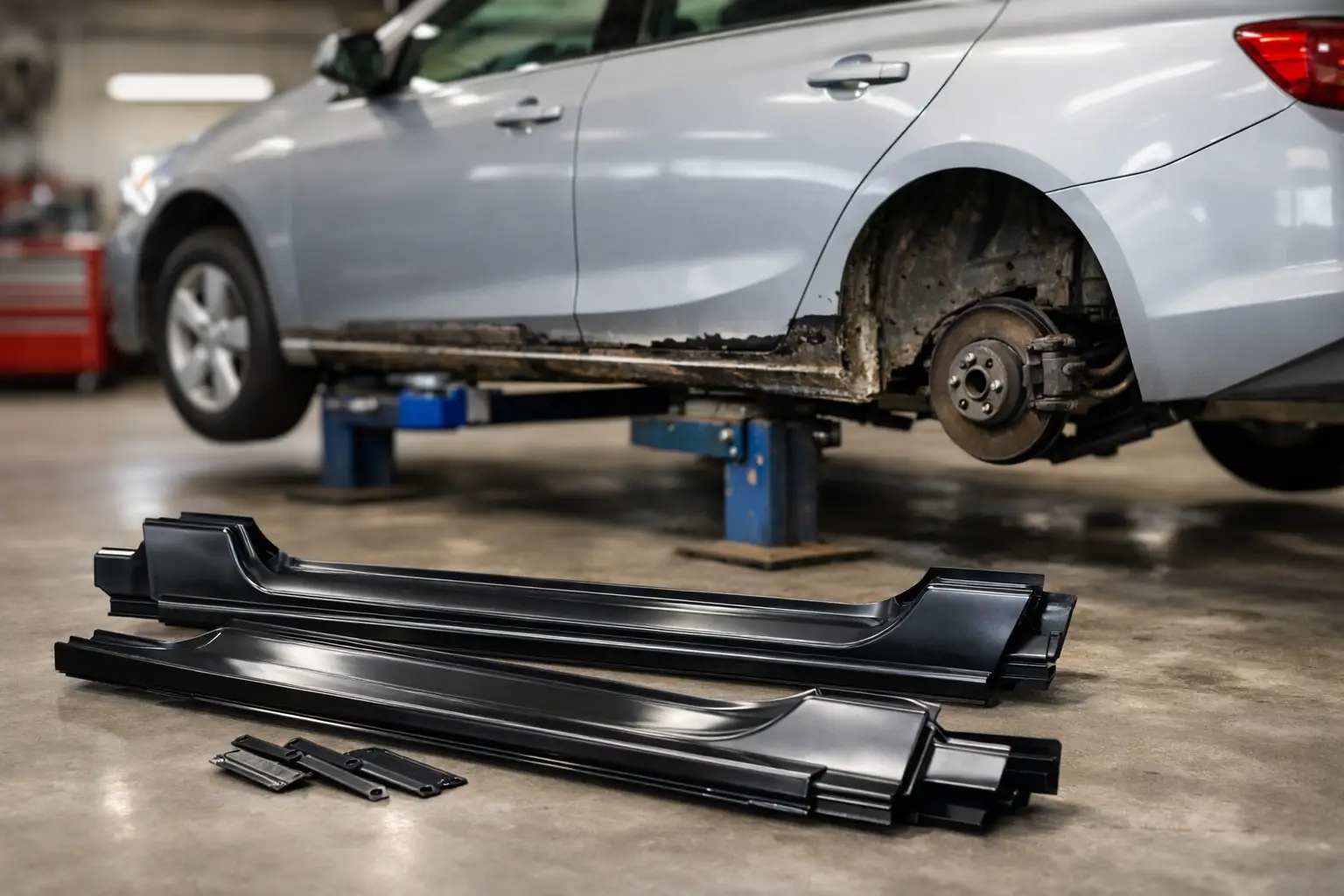
Rust usually tells the truth before the rest of the car does. On a classic Malibu, bubbling paint at the lower body line or soft metal under the door often means the rocker panel is already past the point of a simple patch. If you are shopping for the best Malibu rocker panel replacements, the right choice is not just about fresh steel. It is about fit, structure, body line accuracy, and how much correction work you want to fight during installation.
For 1964-72 Chevrolet Malibu restorations, rocker panels matter more than many first-time buyers expect. They are visible sheet metal, but they also tie into the lower body structure. A poor panel can create door gap problems, extra labor at the body shop, and a finished car that never looks quite right from the side. A good panel helps bring back factory lines and gives you a stronger foundation for the rest of the repair.
What makes the best Malibu rocker panel replacements?
The best replacement rocker panels do three things well. First, they match the original profile closely enough that the lower body line looks correct once welded in. Second, they use steel with the right feel and consistency so the panel is not flimsy or overly difficult to work with. Third, they are stamped cleanly enough that your installer spends less time reshaping edges, chasing gaps, or correcting contour issues.
That sounds simple, but there is always some trade-off in restoration sheet metal. A budget-friendly panel may be serviceable for a driver-quality repair, especially if your body man is experienced and expects to do some trimming and massaging. A premium reproduction or better-stamped panel usually costs more up front, but it can save real labor hours. On a classic A-body, that often matters more than the difference in purchase price.
If originality is your priority, factory-style dimensions and body contours should be at the top of the list. If your goal is a solid weekend cruiser, you may be more willing to accept minor prep work as long as the finished repair is clean and durable. Neither approach is wrong. It depends on the standard you are building toward.
Full rocker vs slip-on rocker panels
When buyers compare the best Malibu rocker panel replacements, this is usually the first fork in the road. Full rocker panels and slip-on rocker skins serve very different jobs, and choosing the wrong one can create more work later.
Full rocker panels
A full rocker panel is generally the better choice when corrosion has spread beyond the visible outer skin. If the lower structure is compromised, or if the panel has rusted from the inside out, a full replacement gives you a more complete repair. This is usually the smarter route for serious restorations, long-term ownership, and cars with significant lower-body damage.
The advantage is structural confidence and a repair that is closer to factory construction. The downside is labor. Full rocker installation takes more disassembly, more careful bracing, and more welding skill. Door alignment and body measurements matter from start to finish.
Slip-on rocker panels
A slip-on panel, sometimes called a skin, works best when the inner structure is still solid and the damage is limited to the outer visible area. For a driver or a budget-conscious refresh, this can be a practical repair. Installed properly over sound metal prep, it can clean up the appearance and stop a localized problem from getting worse.
The catch is that slip-on panels are not a cure for deeper rust. If the underlying metal is weak, you are covering the problem, not correcting it. That is why experienced restorers inspect from the inside, not just the outside, before ordering parts.
Fitment matters more than gauge alone
A lot of buyers focus on metal thickness first. Steel gauge matters, but it is not the whole story. A rocker panel can feel heavy in your hands and still create headaches if the stamping is off, the flange shape is inconsistent, or the body line is soft.
What you want is a panel that fits the car with minimal persuasion. The lower door opening should align correctly. The ends should meet adjoining panels without obvious mismatch. The outer surface should carry the side profile the way GM intended. Those details separate a part that installs cleanly from one that turns into an expensive fabrication project.
On 1964-72 Malibu models, body line crispness is especially important because the eye naturally follows the length of the car. Any dip, wave, or uneven transition at the rocker stands out once the paint goes on. That is why dependable fitment is one of the biggest markers of the best Malibu rocker panel replacements.
How to choose the right panel for your restoration
Start by being honest about the condition of the car. If the rocker is visibly rusted through, inspect the inner rocker area, floor edge, body mounts, and lower quarter sections before you buy anything. Rust rarely stays in one neat rectangle. If one area has failed badly, there is a good chance the surrounding metal has been compromised too.
Next, decide whether the car is being restored to factory-style standards, built as a clean driver, or prepared for resale. A show-focused build usually justifies better-stamped, more correct panels because labor quality and visual accuracy carry more weight. A weekend driver may not need the same level of perfection, but it still needs solid metal and proper installation.
You should also think about what other sheet metal work is happening at the same time. Rocker replacement often overlaps with floor pans, lower fenders, quarter panel repair, and door alignment. If multiple areas are being repaired, it usually makes sense to plan the whole job together. That helps avoid rework and improves overall fit.
Installation realities restorers should not ignore
Even the best panel will not fix poor prep or rushed welding. Before a rocker is cut out, the body should be measured and supported correctly. On hardtops, convertibles, and cars with existing rust damage, bracing is critical. Once the original rocker is removed, the body can shift more easily than many people expect.
Dry-fitting is not optional. Doors should be checked, gaps verified, and mating panels test-fitted before final welding. A rocker that looks close on the bench can still throw off the door opening if it is not positioned correctly on the car.
Corrosion protection matters too. After installation, the backside of the repair should be treated as thoroughly as the visible exterior. Weld-through primer, seam sealer, epoxy primer, and cavity protection all help extend the life of the repair. A clean weld followed by bare, unprotected inner metal is not a complete job.
When reproduction is the right call
For most Malibu owners, high-quality reproduction panels are the practical answer. Good reproduction sheet metal gives restorers access to parts that would otherwise be difficult or impossible to source in usable original condition. On a car that is more than 50 years old, clean originals are rare, expensive, or too rusty to justify the effort.
That is where buying from a specialist matters. A dedicated A-body supplier is more likely to understand the fitment expectations, year-specific differences, and restoration standards these cars demand. That experience helps reduce guesswork, especially when your project involves multiple lower-body components that need to work together.
Classic Parts has built its reputation around exactly that kind of confidence – helping owners and restorers find the right components for 1964-72 Chevelle, Malibu, and El Camino models without treating these cars like generic old inventory.
Best Malibu rocker panel replacements by project type
If you are restoring a numbers-conscious car or aiming for factory-style finish quality, the best choice is usually a full replacement panel with the most accurate stamping and contour available. You will spend more, but that decision often pays off in reduced correction work and better final appearance.
If your Malibu is a solid driver with limited outer rust, a slip-on rocker can be a reasonable option if the underlying structure checks out. It is a more targeted repair, and in the right situation it keeps costs under control without compromising the look of the car.
If the car has widespread corrosion, step back before ordering only rocker panels. In that case, the best purchase may be part of a larger metal repair plan that includes floors, braces, lower quarters, and body mounts. Rockers are too important to install in isolation when the surrounding structure is already failing.
Final thoughts on getting the repair right
The best Malibu rocker panel replacements are the ones that match your car’s actual condition, your restoration standards, and your installer’s skill level. Good sheet metal saves time, protects body alignment, and gives your Malibu the lower-body lines it deserves. Buy for fit and correctness first, not just price, and the rest of the job gets a lot easier.