
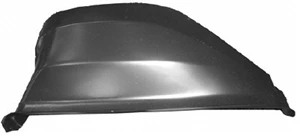


1968-1972 Chevelle LH Outer Cowl Shoulder Patch
The 1968–1972 Chevelle Left-Hand (LH) outer cowl shoulder patch (also simply called the outer cowl side panel or cowl shoulder metal) is a critical stamped-steel restoration panel for the driver’s side of second-generation GM A-body vehicles.
Positioned directly under the front fender, this “shoulder” piece forms the outer wall of the fresh-air cowl plenum box and seamlessly transitions back toward the upper door hinge area. Because the plenum chamber routinely catches rainwater, leaves, and road dirt, it acts as a notorious structural rust trap that can eventually leak water directly down into the interior cabin floorboards.
📐 Stamping & Technical Specs
- Factory-Correct Geometry: Premium reproduction patches feature precise, OE-style contours, metal thickness, and perimeter flanges. This guarantees a flush fit with the adjacent firewall, upper cowl grille, and A-pillar structures.
- Corrosion Defense: These panels are manufactured from heavy-gauge automotive steel and come coated in a black EDP (Electro Deposit Primer) or a specialized weld-through primer to prevent flash rust before and after installation.
- Application Fitment: While specifically labeled for the 1968, 1969, 1970, 1971, and 1972 Chevrolet Chevelle and El Camino, this identical factory-profile stamping is shared with other A-body muscle cars of the same era, including the Pontiac GTO/LeMans, Oldsmobile Cutlass/442, and Buick Skylark.
🔧 Critical Restoration & Installation Notes
- The “Hidden Damage” Caveat: Professional restoration experts warn that rust on the cowl shoulder is rarely just skin-deep. When you cut away the visibly rusted outer shoulder patch, closely inspect the underlying structure. The inner cowl side panel, internal fresh-air drop vents, and the front lip of the dashboard assembly are frequently rotted or heavily scaled beneath it.
- Weld Prep & Attachment: To install this patch, you must temporarily remove the driver’s side front fender and door. The panel is typically clamped into position, marked, and secured using a continuous series of plug welds or factory-style spot welds along the pre-existing sheet metal pinch welds. Ensure you scuff away the EDP primer at your exact weld points to achieve proper penetration.
- Sealing: Because this area is directly exposed to heavy water drainage from the upper windshield cowl slots, applying a premium automotive urethane seam sealer over the finished perimeter welds is highly mandatory to guarantee an airtight, waterproof barrier


Reviews
There are no reviews yet.